You are currently browsing the tag archive for the ‘Horror’ tag.
 What’s it all about?
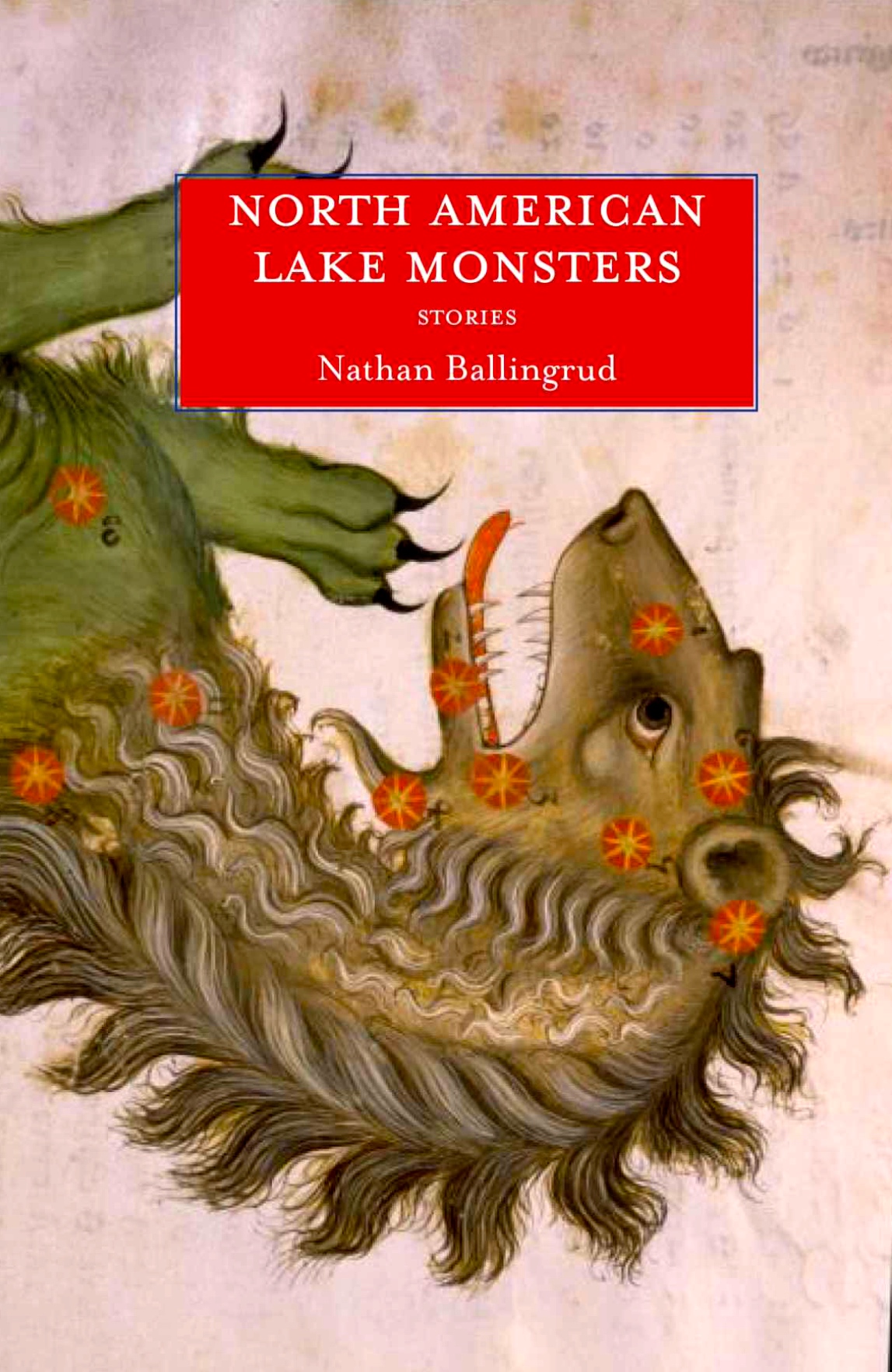
North American Lake Monsters is a collection of horror stories set in the modern USA. I described it in my reading notes as
horror at the periphery of everyday lives of working people, mostly men
The description I’ve seen elsewhere (and not until after I’d finished the book) is
In this striking, bleak yet luminous debut collection, Nathan Ballingrud, winner of the inaugural Shirley Jackson Award, uses the trappings of the Gothic and the uncanny to investigate a distinctly American landscape: the loneliest and darkest corners of contemporary life.
So better put but fairly similar *phew*
Why did I want to read it?
I had come across a couple of Ballingrud’s stories in other collections and want to give his wider work a try. I hadn’t realised how many awards he had been nominated for until I got my hands on the volume (though nominations or award wins don’t always affect whether I want to read something).
What did I think of it?
Hmm. This was really a bit of a mixed bag. It contained the two stories I had read elsewhere, one of which didn’t stand up to a second read; the other, The Crevasse, was wonderfully Lovecraftian in its Antarctic setting and I enjoyed it just as much this time around. As for the others, I could appreciate the skill but they just didn’t connect with me; perhaps they were just too bleak (not that I mind bleak usually, but there was no relief at all here that I could see), and *whispers* too masculine for me. That’s not something I think I would have noticed if I’d come across any of these stories mixed in with the work of others, but it just leapt out at me reading them in a single volume.
Glad I gave it a shot but I don’t think I’ll be actively seeking out any more of his work.
I read this as part of the 2015 Horror Reading Challenge.
 Whats it all about?
The Wide Carnivorous Sky (subtitle and Other Monstrous Geographies) is a collection of nine modern horror stories.
Why did I want to read it?
I came across the work of John Langan through the annual best of horror anthologies edited by Ellen Datlow where his stories stuck out as something exceptional. I wanted to read more and got a hold of this collection as a good starting point. He is clearly highly regarded by his peers.
What did I think about it?
I really enjoyed this collection which nicely covers the full range of horror themes. Cannibalistic children? Check. Zombie apocalypse in the style of Thornton Wilder’s Our Town? Check. Werewolf-type things? Check. Unspeakable Lovecraftian entities breaking into our world and creating havoc? Why yes. Reasons why you shouldn’t hitch-hike? Indeed.
Particular favourites were
- Technicolor – what was Poe up to in his lost week, what’s the Masque of the Red Death about, why you should really pay attention in your English Lit class
- The Wide Carnivorous Sky – space vampires meet USA’s finest but not in a good way; assuming there is in fact a good way….
and my absolute favourite in the collection
- Mother of Stone – the story of an academic investigating what appears to be an urban legend of about the events that follow the digging up and installation in a local hotel of a statue of headless pregnant woman, taking in myths, ancient religions, all manner of Fortean stuff and turning it into a disturbing tale of what happens when you don’t leave something well enough alone.
The collection also includes an introduction by Jeffery Ford and an afterword by Laird Barron, as well as notes on the stories by the author himself (I love author’s notes and aways read them where they are included) which give some insight into the genesis of the stories and what he was trying to achieve.
I’m pleased that my initial feelings about Langan’s work have been reinforced by the stories in this book, and I’ll definitely be looking out for more.
I read this as part of the 2015 Horror Reading Challenge. I also learned that I have real problems typing the word “carnivorous”.
So I’ve already signed up for the TBR Double Dog Dare (and posted about it here) which means that not only will I be reading solely from books I already own I will not be buying any new books. At all. For three months. Only exceptions are birthday presents and books I pre-ordered before 31 December. I don’t know how much of a difference that’s going to make given I rarely read a book as soon as I buy it, but it should help my credit cards at the very least 🙂
 I’ve also decided to sign up for another challenge, the 2015 Horror Reading Challenge hosted by Cornerfolds. I actually signed up for its predecessor last year (see here) but failed miserably; I think (actually I know) I read quite a bit of horror in 2014 and didn’t properly link it back to the challenge, but as it’s a genre I really enjoy I’m going to try better this year. My aim to is to be a Brave Reader, which means reading 6-10 books during the course of the year. I’m not going to make a booklist because history demonstrates that way madness lies, but I have several good collections of short stories, Maplecroft by Cherie Priest, and Horns by Joe Hill (which I’m keen to read as I’d like to see the film at some point) on my TBR pile as well as that long-promised Carrie re-read.
I think I can manage that!
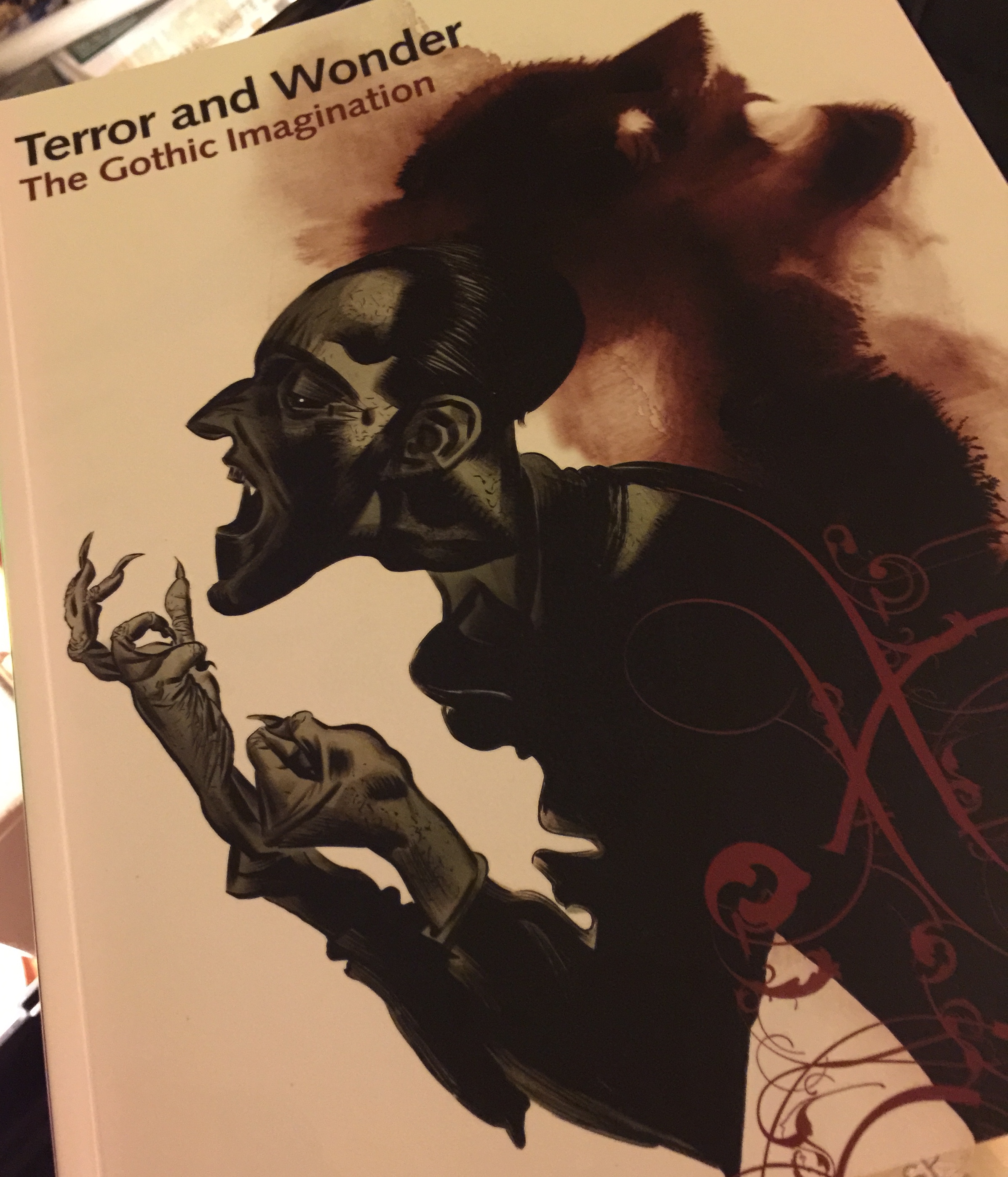 On Saturday the Book God and I made a second attempt to visit the British Library to view their Gothic exhibition (we failed earlier in the month as I had been unwell). I was very keen to see this because (of course) I love all things Gothic but also because we’d seen a number of the supporting TV programmes on BBC4 and our interest had been piqued. (I love that word and should definitely try to use it more!)
Terror and Wonder: The Gothic Imagination covers the period from the 1790s (lots of Horace Walpole and Strawberry Hill which, despite it only being about five stops along the railway from us I have yet to visit) to the present day through a wonderful range of books, manuscripts, illustrations and other artefacts. There are also some fabulous film clips playing in the background – Boris as Frankenstein’s Creature, Lady Dedlock from Bleak House, The Wicker Man, The Innocents – and interviews with modern figures such as Neil Gaiman (talking about Coraline).
Much to look at and enjoy. Wonderful selection of related material in the exhibition shop; I can’t decide whether I am appalled or pleased that I already had so many of the books on sale on my shelves at home, but I did nobble the exhibition catalogue and some lovely postcards.
 What’s it all about?
Deadline is the sequel to Feed which I read and loved some 3 years ago and am ashamed that I’ve only just got round round to picking this up. In order to avoid spoilers about the plot I’m going to lift from the blurb:
Shaun Mason is a man without a mission. Not even running the news organisation he built with his sister has the same urgency as it used to. […] But when a researcher from the Centre for Disease Control fakes her own death and appears on his doorstep with a revenues pack of zombies in tow, Shaun’s relieved to find a new purpose in life.
So the novel picks up from where the last one left off, but this time it’s mostly from Shaun’s perspective and the conspiracy uncovered in Feed is still alive and well. Just worse. Much worse.
Why did I want to read it?
The zombie kick which I’ve been experiencing all year continues. Plus as I said I really enjoyed the tone and pace of the first book and this looked like it was going to be more of the same. Science + conspiracy + zombies, what’s not to like?
What did I think of it?
I wasn’t sure if I would like the book quite as much with the shift in protagonist but I needn’t have worried, this is just as exciting as Feed and I came to like Shaun just as much. The thing that I can’t talk about without spoiling the first book was a concern as I thought it would become really annoying or at best a bit unbelievable but actually it works really well because everyone recognises that it isn’t normal (and I have either said too much already or been so cryptic that you’re all scratching your heads wondering what I’m on about).
And it has another cracking ending which makes me very keen to read the final book in the trilogy, already downloaded and being saved for the holidays.
Another fine entry in an excellent run of reads. Waiting for it all to crash and burn 🙂
 What’s it all about?
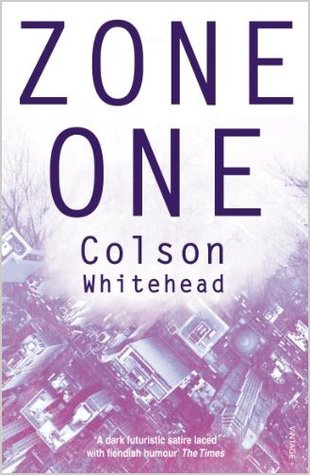
The world has been devastated by a virus which has turned the huge majority of the population into *gasp* zombies. However, time has passed and the survivors have fought back and stabilised areas of the USA and have optimistically started to rebuild civilisation (as far as they can anyway). The book follows our main character, known only by his nickname Mark Spitz, over three days in Zone One (Manhattan) as he and his small unit sweep up straggling zombies so that the island can be re-inhabited.
Why did I want to read it?
I’m in bit of a zombie kick at the moment, plus I’m pretty sure I saw this favourably reviewed in a blog that I can’t remember (I really must get better at recording recommendations from other bloggers so they can be properly acknowledged) and was keen to give it a go as it sounded a bit different.
What did I think of it?
I thought this was a really well-written and affecting novel of the zombie apocalypse. I liked the structure, split over the three days of single weekend where we got to know the characters, how they are doing now and just as importantly how they got here. Flashbacks are used effectively to describe the suddenness of the epidemic, and how devastating it was for individuals. For example Mark Spitz comes home from a weekend away with his friend to find his infected mother attacking his father and just has to make a run for it. I liked the fact that not all of the survivors are the ones you would obviously think would make it. And the story of how Mark Spitz got his nickname is great.
My only quibble isn’t with the book or the author Colson Whitehead, whom I wasn’t at all aware of (my knowledge of contemporary US mainstream fiction is patchy at best to my shame), but rather with the critical reaction to it. As I’ve said I thought this was really well written, a strong story with an interesting approach to a staple of the horror genre but a number of the reviews I read talk a lot about the marrying of genre and literary fiction, because Whitehead has won a Pulitzer prize and that somehow makes his approach to the subject matter more valid and of greater value than more obviously genre authors (to some commentators at least).
And perhaps it’s just my own sensitivity but I get annoyed at the idea that it’s OK to like genre fiction as long as it is written by someone who is a mainstream author, so we can all pretend it isn’t really genre fiction at all but using tropes to talk about something else, as if that isn’t what genre and speculative fiction does anyway.
But, climbing down from my soapbox, you should give Zone One a try, it’s a really good take on what happens when you think you’ve overcome the zombie hordes and worth reading.
 What’s it all about?
Shoggoths in Bloom is a collection of shorter fiction by Elizabeth Bear, must-award winning sci-fi and fantasy author. Includes a couple of tales that bagged her one or two Hugos.
Why did I want to read it?
I’ve read some of her work before in anthologies and her stories have always stuck out for me (she was probably my favourite from the recent Lovecraft themed collection which I read and reviewed here), particularly as she often writes tales related to the Cthulu mythos. So I wanted to get to know her work better.
Plus I loved the cover.
And the title.
What did I think of it?
A really strong collection showcasing the variety of her work. If I’m honest I was a tiny wee bit disappointed in the title story, which was good but not great IMHO. But there wasn’t a bad story in here and my particular favourites were:
- Tideline – one of the Hugo winners, very moving. Loved Chalcedony.
- In the House of Aryaman, A Lonely Signal Burns – a murder mystery in a futuristic India, with one of the characters being a genetically manufactured hyacinth parrot-cat
- Cryptic Coloration – dealing with mythical beasties in the real world
- Confessor – what’s really going on in that hidden lab up that mountain trail?
There are some themes that Bear is clearly interested in, mythical creatures and genetic modifications but two. I like the fact that she writes well across a range of genres and she is a genuine pleasure to read. I’ve already got my hands on more of her stories. Recommended.
 Lovecraft Unbound is one of the books I flagged up in my series of Spring Cleaning posts earlier in the year (back in April I think) where I tackled the huge started but not finished pile; and was one of the titles I thought I would definitely go back to; I finally got round to picking it up again this weekend.
What’s it all about and why did I want to read it?
[…] twenty-two of today’s most respected writers of the fantastic present their visions of HP Lovecraft’s world and creations.
What did I think of it?
Like all anthologies it was patchy but the good ones were very good indeed. Some of the Lovecraftian-ness was tenuous but there were enough set in Antarctic wastes and Tibetan planes as well as ancient horrors in modern life to make it worthwhile.
Highlights for me:
- Cold Water Survival by Holly Phillips (one of the icy ones)
- In the Black Mill by Michael Chabon (though I spotted early on what the “secret” was but I’m not sure he was trying to hide it that hard)
- Commencement by Joyce Carol Oates (because, well, it’s JCO, one of my heroes)
- Mongoose by Sarah Monette and Elizabeth Bear – probably my favourite
There is a companion volume called Lovecraft’s Monsters which has mysteriously found its way onto my Kindle app and I’m sure I’ll dip into that shortly because *whispers* Neil Gaiman’s in it, if for no other reason 🙂
Update: and in tagging this post for publication I realise that I had already written about the first five stories as part of RIP VI back in 2011, which you can read here if you so desire!
 I think I’ve said all I have to say about how much I enjoy the Peter Grant novels by Ben Aaronovitch, reinforced last week by the talk and book signing which I attended a week ago and have been banging on about ever since. But does Foxglove Summer live up to the other books in the series?
Well, of course it does.
But it is a little bit different, in that Peter is outside his comfort zone, having been despatched by Nightingale to rural Herefordshire to look into the apparent abduction of two little girls. The Folly’s intervention hasn’t been requested, but they always look into cases where children disappear because, you know, there’s a history of that sort of thing. Although at first it looks to be a sad but ordinary case it becomes clear that there may very well be a supernatural element and Peter stays on to assist with the investigation, which takes a distinctly unexpected turn.
I don’t want to say too much more because as always the fun is in seeing the plot develop. There’s a particular phrase stuck in my head which I so much want to type out here but I won’t. Though I really want to. But I won’t.
I loved it. I read it in two sittings and thoroughly enjoyed it. The new characters were just as well-rounded and interesting as the main cast (particular shout out to Dominic). It gains rather than loses from being set outside the normal London stamping ground (some people worry about that sort of thing but I like long-running series to be shaken up every once in a while). Beverley is there. The whole Lesley situation set off at the end of Broken Homes is still bubbling away. We learn something about Molly. And we meet another, if somewhat elderly, practitioner.
As always my only quibble is insufficient presence of Nightingale, but that’s a small thing really given the other pleasures on the novel.
If you have been reading along then this is a fine addition to the series. And if you haven’t then what are you waiting for?
 What’s it all about?
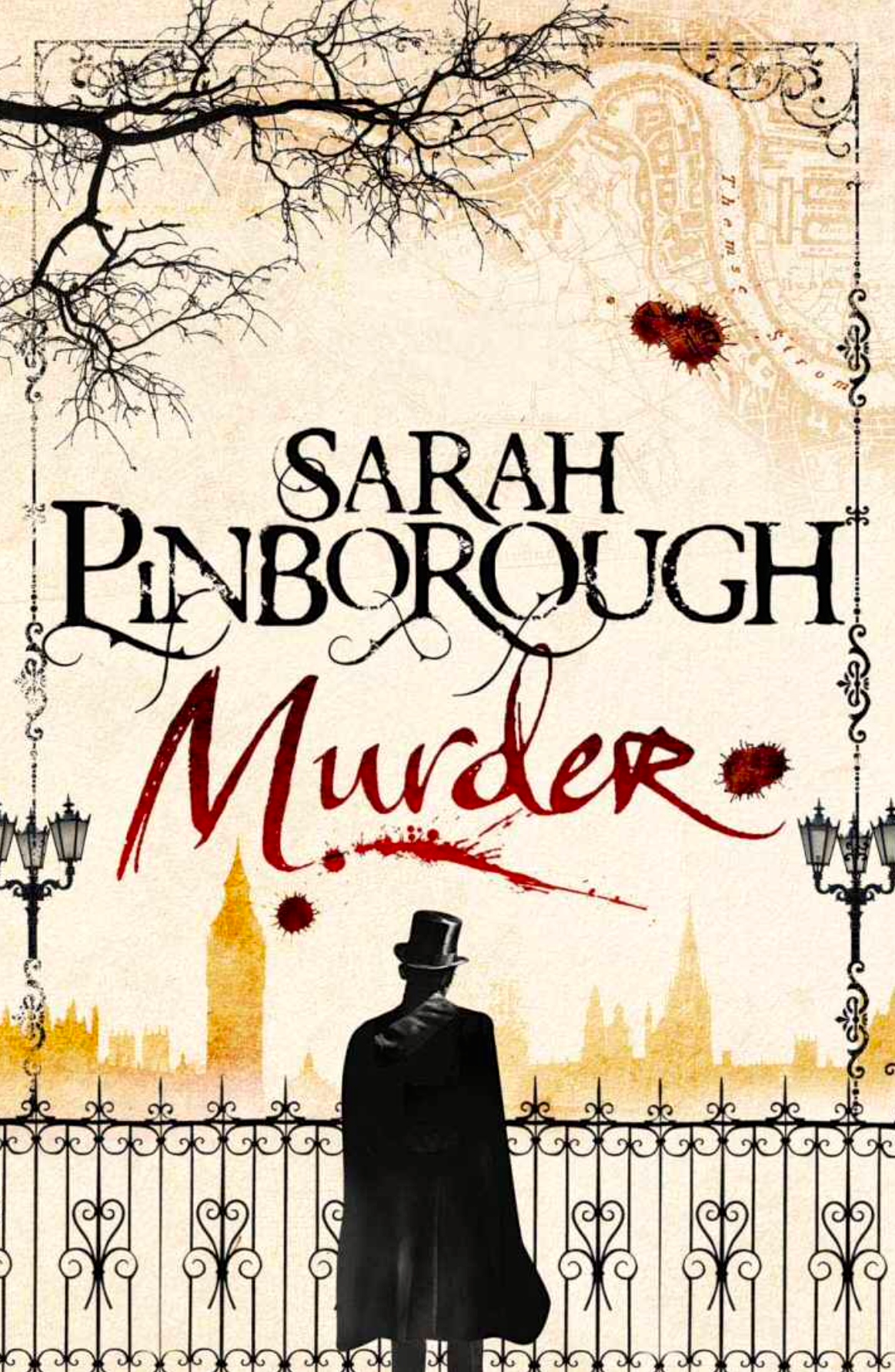
Murder is the sequel to Mayhem and picks up a few years after the events of that book, focussing very much on the Dr Thomas Bond (trying to avoid spoilers here) who is trying to deal with the aftermath of those events, hoping to finally win the love of Juliana, now widowed and the mother of a young son, and the arrival of a handsome American, Edward Kane, a friend of Juliana’s late husband who in trying to put his mind at rest on the past events may stir up some of Bond’s demons. In more ways than one.
Why did I want to read it?
I really enjoy Sarah Pinborough’s work and thought this was going to be the second in a series rather than a direct sequel. Ordered it as soon as it was announced.
What did I think of it?
As I said above I was not expecting this to be a sequel; in my head I had convinced myself that this was going to be a series of nasty (in a good way) serial killer novels with Bond as the hero hunting down the bad guys. All of this based on absolutely no evidence whatsoever, all based on assumptions rather than any hard evidence. even starting to read the book I thought that we were running through the events of Mayhem as the background to something entirely different. However, it quickly became clear that I was in for something entirely different as the events of Mayhem come back to haunt Bond in rather horrible ways with a kind of horrible inevitability in the events that were unfolding. Or so it seemed.
This was an interesting reading experience for me, one in a line of dark books with very human dilemmas underscored by creepy supernatural elements and a fair dose of nastiness. But because it was so dark I actually had to set it aside on a couple of occasions because it was almost overwhelming. This is a credit to Sarah’s writing; the triggers for me were not the obvious nastiness but the realistic portrayal of the impact of unrequited love (I have some experience in this area – don’t ask, best left alone – and just found it painful to read) and the descent of a man into madness.
But I’m glad I persevered because there are a couple of events in particular which push the story into really dark territory and I was desperate to know how this was all going to work out. I had a tiny wee suspicion of what might happen at the end which was mostly right though not delivered in quite the way I expected.
This was my eighth read for RIP IX and I’m definitely going to continue exploring this author’s work.


 Bride of the Book God