You are currently browsing the tag archive for the ‘Creepy stuff’ tag.
 What’s it all about?
The world has been overrun by zombies (again) but at least one of them, known to us only as R because he has no memory of his name or age or anything including how he came to be a zombie, is not quite what he seems. And one day when hunting he sees Julie, a live human, and instead of eating her he decides to save her, triggering a whole set of events that could change the world.
Why did I want to read this?
Warm Bodies received a strong recommendation from Silvery Dude who apparently read it in one sitting and is hardly ever wrong when it comes to suggesting things that I might enjoy. Plus I’m coming around to the whole zombie thing (though so far nothing touches World War Z which I loved).
What did I think?
A different take on the whole zombie thing. Yes, in some ways its the same old same old (Zombie plague overrunning the world? Breakdown of civilisation as we know it? Rise of the military?) but it’s interesting to see it from the non-human side for a change, what it might feel like to be a zombie, all that jazz.
I liked R and his friend M and of course the lovely Julie very much, the love story was sweet and convincing but at one point I became so anxious about their situation and how it was going to work out for them that I had to stop reading for a bit. I don’t think I have ever wanted a happy ending quite so much. Very enjoyable indeed.
Now for the movie.
 What’s it about?
The first in a trilogy, all three to be published this year, Annihilation tells the story of an expedition into the mysterious Area X, the twelfth such to be sent in the thirty years since a supposed environmental disaster cut the area off. The story is told from the viewpoint of the biologist, one of four women making up this most recent attempt to investigate.
As the blurb says, their mission is:
to chart the land, take samples and expand the Southern Reach’s understanding of Area X.
But of course it’s not as simple as that.
Why did I want to read it?
I’m not sure where I first saw this book mentioned, but it seemed to pop up all over the place with what seemed like uniformly positive reviews. I’m not one who normally follows what everyone else is reading (I think I’ve actually said before that I actively avoid those books until the fuss dies down) but something about this intrigued me and onto the Kindle app it was summoned. I’ve also never read any VanderMeer before though he has been on my radar for ages.
What did I think of it?
This is a really strange book, but I mean that in a good way. For a start we never know the names of the four women who make up the twelfth expedition, they are only ever referred to by their job titles (as well as the biologist we have an anthropologist, a psychologist and a surveyor). We learn early on that there was a fifth woman, a linguist, but we don’t know what happened to her. We also know that previous expeditions have spectacularly failed and its’ clear that things are going to go wrong with this bunch too, and fairly quickly.
There is a tower (or is it a tunnel?) with strange writing that appears to be alive. There is a lighthouse which is somehow significant. There is clear evidence that the team is being manipulated in some way by Southern Reach, the organisation that has sent them in. The psychologist knows more than she is letting on and is using hypnotic suggestion to control her team mates. And of course the biologist has a secret, a reason of her own for having volunteered for this mission.
This is short book, some 200 pages or so, and I read most of it in one sitting. It’s really very strange and I’m not entirely sure what I think of it, other than that it was compelling and communicated a real sense of mystery and dread and weirdness. Things moving in the dark, things that are unnatural, a feeling that nothing is what it seems, foreboding and otherness. A bit Lovecraftian in places (a good thing IMHO). Unsettling.
I’m not articulating my thoughts terribly well because it’s still percolating. But I’ve already pre-ordered the second in the trilogy which comes out in May and I can’t wait to see what more we will find out.
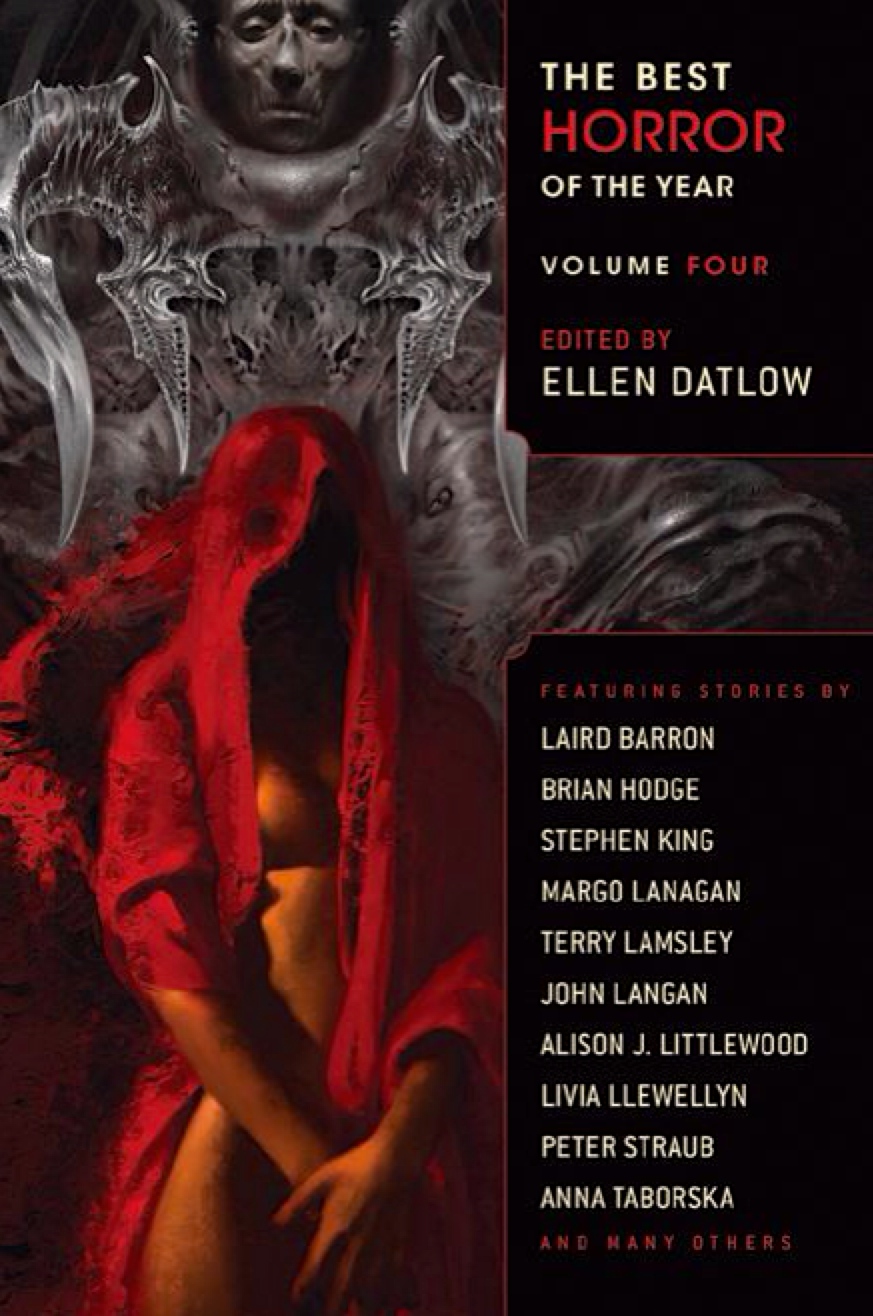 As it says on the tin, this is the fourth volume of the best horror stories as selected by Ellen Datlow for the year 2011, and an interesting mix it is too.
As always the book starts with an overview of the year, the award winners, major authors and new writers, anthologies and magazines all of which just goes to show that although I am a lover of horror I am clearly not keeping up with anything like the volume of material that’s out there and am in fact a rank amateur only dipping into the most popular stuff. Which is why of course anthologies like this one are just so valuable and I found my self taking notes of authors and books to look out for.
In terms of this collection, like any anthology there are stories that appeal more than others and some that don’t really appeal at all which is what makes it all so interesting.
For me the stand-out stories were:
- The Moraine by Simon Bestwick – I’m hoping to visit the Lake District properly for the first time later this year; on the strength of this it’s fair to say we will not be hill walking….
- Blackwood’s Baby by Laird Barron – early 20th century manly stuff with a hint of Machen
- Dermot by (again) Simon Bestwick – really quite nasty police procedural
- Final Verse by Chet Williamson – country music meets horror, what does that song really mean?
The rest were absolutely fine, worth mentioning a solid Stephen King I hadn’t read before, a really quite weird Peter Straub which I didn’t entirely understand and left me a bit unsatisfied and a very short piece by Anna Taborska which was in many ways a terrible story but was it actually horror.
Great fun to dip in and out of, and I already have volume five downloaded and ready to read.
A contribution to the 2014 Horror Reading Challenge.
 What’s it all about?
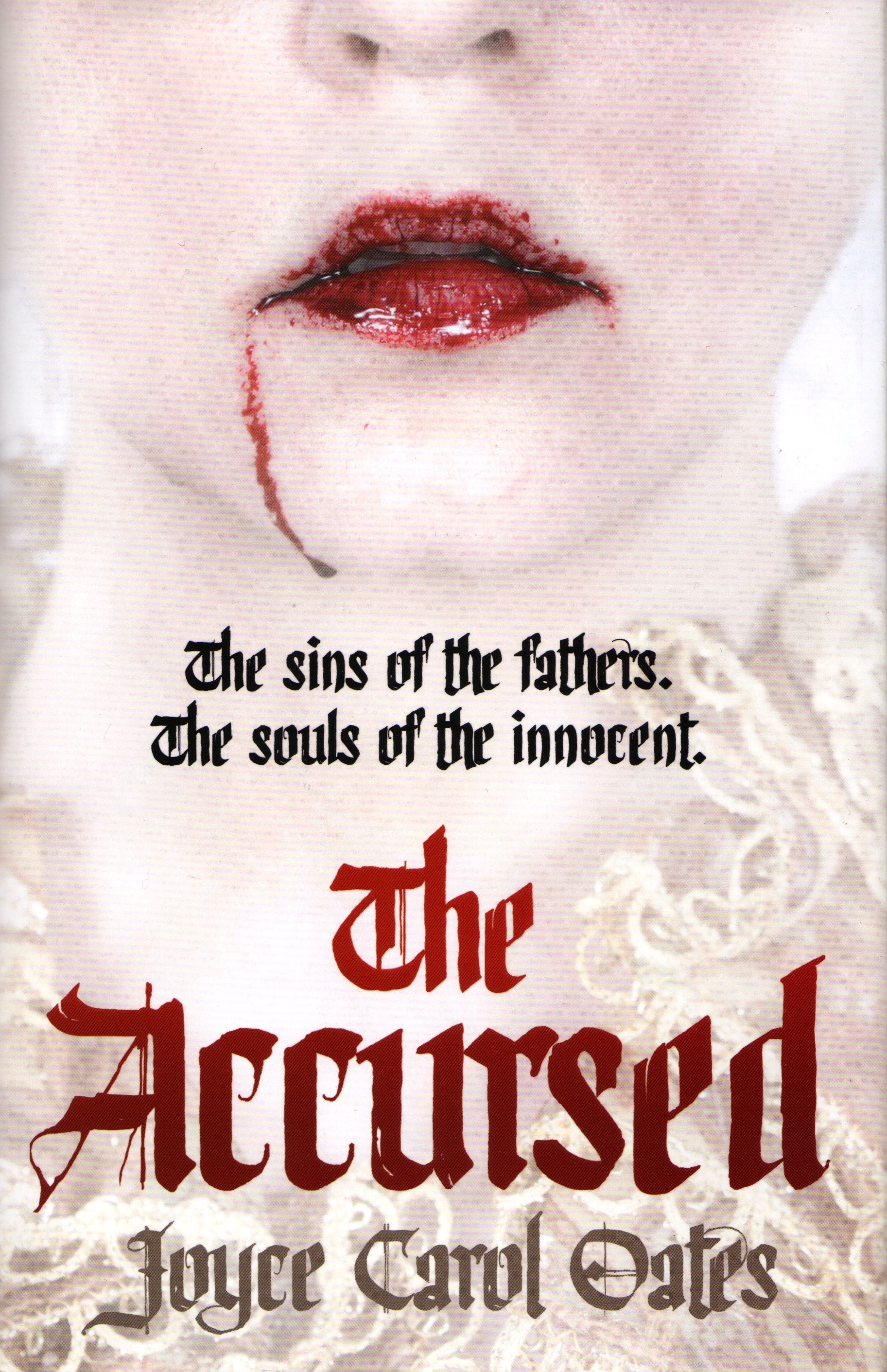
The sins of the fathers. The souls of the innocent. The Accursed is a Gothic tale which tells the story of a curse which has apparently fallen on the town of Princeton between 1905 and 1906, featuring a mixture of real and fictitious characters and some quite grotesque events.
Why did I want to read it?
Joyce Carol Oates is one of my favourite authors and this looked to be an unusual addition to her remarkably large body of work.
What did I think of it?
Well. This is without a doubt one of the oddest books I have ever read. I don’t actually have the words to describe it (and I’m not alone in finding writing about the novel difficult because Stephen King reviewed it for the NYTimes and had a similar issue but handled it significantly better as you would expect).
There is a kidnapping at a wedding, a mysterious stranger with an unnatural influence over the townsfolk, a series of murders (all very unpleasant), cover-ups, political intrigue and a fantasy world of cruelty and despair. And a secret which looms large over one particular family. All about as Gothic as it’s possible to get.
Conclusion
Astonishing. Difficult. Lengthy. Purple. Cover implies vampires but if they’re there they aren’t your usual suspects. Did I mention it’s astonishing? Took many hours of my life. Not entirely successful as a novel but blimey, quite an experience.
 What’s it all about?
Alex is a teenager who has been badly affected by his parents’ divorce and after trouble at school goes on a business trip to Amsterdam with his father; he is left in the company of the much older daughter of his father’s publisher who takes him around the city and shares some of her historical research with him. He is drawn to a Japanese mask which seems to be haunted. Creepiness ensues.
Why did I want to read it?
I love Chris Priestley. I’ve read all his Tales of Terror and adored both The Dead of Winter and Mister Creecher. Always look forward to his books.
What did I think?
I really liked Through Dead Eyes. I sympathised with Alex a great deal, with his sulkiness and confused feelings and hating his Mum while missing her and resenting the bits of his Dad’s life that were going on as normal. The supernatural elements of the story work well, with enough tension between “is it real?” and “is it just his imagination?” to keep you hooked. I always associate Amsterdam with sunny days and bustling tourists but it comes across as dark and cold and sinister in this story.
Conclusion
Aimed at young adults like most of Priestley’s books yet this old girl enjoyed it very much. I had to read it over a couple of days but it could easily be gobbled up in one sitting (and would be all the more effective for that).
 What’s it all about?
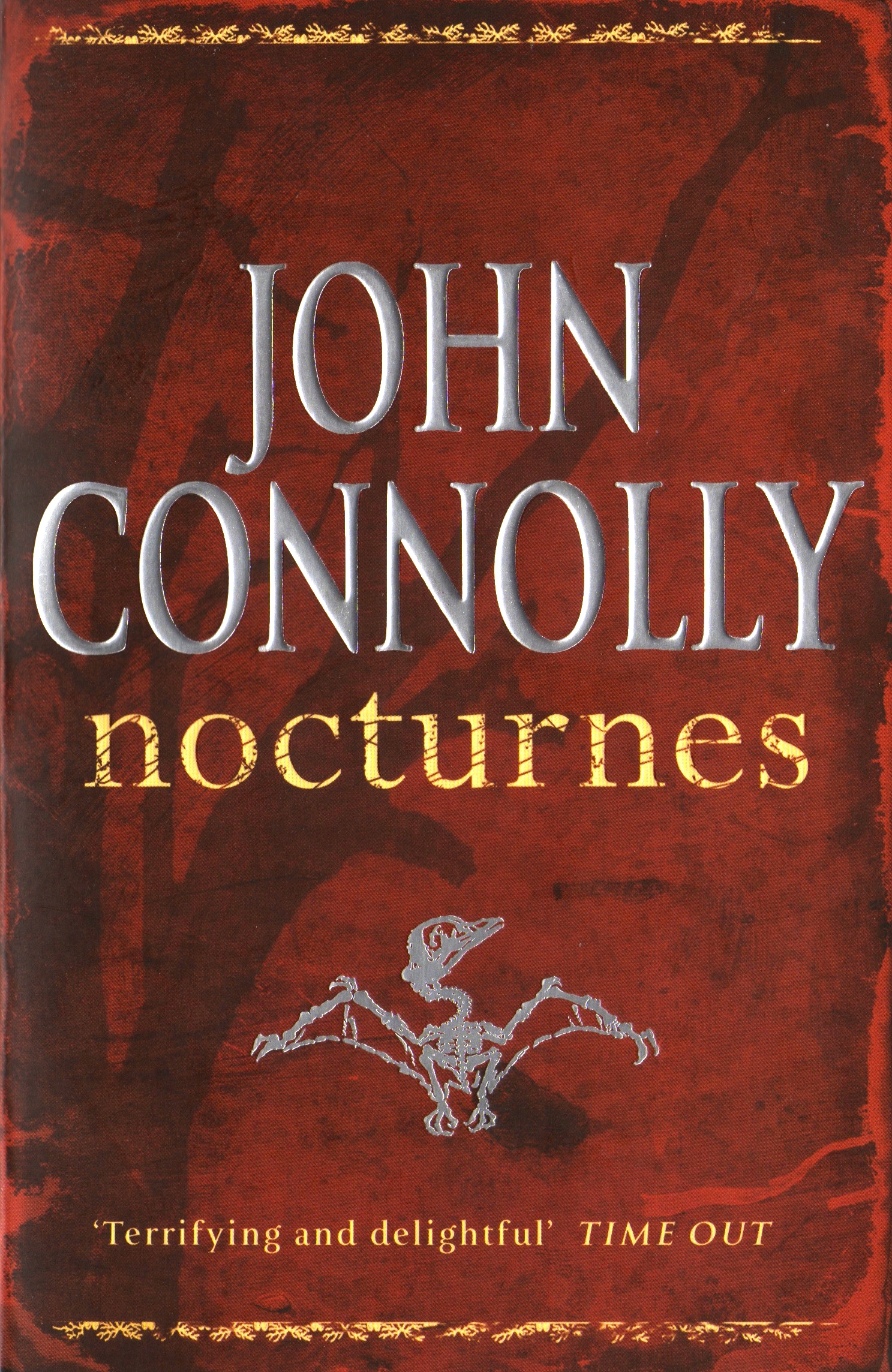
Nocturnes is a set of short stories book-ended by two chunky novellas, one featuring Connolly’s PI Charlie Parker. The blurb talks about “chilling tales of the supernatural” and “our darkest fears” and references MR James and Stephen King so I’m there.
Why did I want to read it?
As well as the stuff mentioned above I read The Book of Lost Things (reviewed here) and wanted to investigate more of his work.
What did I think of it?
I really enjoyed this collection and the comparisons to James were deserved. I particularly enjoyed Miss Froom Vampire and The Wakeford Abyss, but the standout for me was The Reflecting Eye, the Charlie Parker story which I found compelling and unsettling and moving all at once.
Conclusion
Glad that my gut feeling I would enjoy Connolly’s books proved sound and I’m looking forward to reading more of the Parker stories in particular.
This was a read for RIP VIII
 What’s it all about?
Mayhem is set in the height of the Jack the Ripper murders, but body parts found at New Scotland Yard are definitely the work of a different killer, no matter how much the authorities wish it wasn’t. Thomas Bond is the police surgeon working on both cases, and as he delves into the murders he begins to suspect that something more supernatural than a rampaging serial killer is at work in London.
Why did I want to read it?
Serial killers, Jack the Ripper, Victorian London, what’s not to like? Plus although I had a couple of her e-books I hadn’t read any of Sarah Pinborough’s books and wanted to give her a try, partly due to the subject matter and partly because she is great fun to follow on Twitter (there’s that word again).
What did I think of it?
I liked it a great deal. It was a very interesting experience reading it so soon after Drood (reviewed earlier) as there are some similarities in the use of the supernatural, the main character’s tendency to dabble in drugs, the mix of real and fictional characters and events. I thought this was much more successful; I liked Thomas Bond very much and found his struggle with opium and the effect it had on him much more sympathetic, as were the domestic elements in the story contrasting with the grimness of the crimes being investigated. But I don’t want to dwell too much on comparisons with someone else’s work, this is a really good novel.
Conclusion
Recommended. I’m going to be searching out more of Sarah Pinborough’s work, although disappointed that the next volume in this series won’t be published until 2015.
This was a read for RIP VIII
 What’s it all about?
Let’s use the words of the narrator, one Wilkie Collins, to describe what we’re talking about here:
This story shall be about my friend (or at least about the man who was once my friend) Charles Dickens and about the accident that took away his piece of mind, his health, and some might whisper, his sanity
The story kicks off with the Staplehurst railway accident that Dickens was involved in while travelling home from Paris with his mistress Ellen Ternan. While trying to assist those injured in the accident Dickens comes across a mysterious and rather ghoulish figure who becomes known to him as Drood. Dickens then drags Collins into his obsession, which leads them to investigate the underworld of London, with all the crime, squalor and danger that involved. And not a little madness. And quite a lot of death.
Why did I want to read it?
I’ve had mixed fortunes with the works of Dan Simmons. I read The Song of Kali in 2009 and really struggled with it, finding it a little too grim for my tastes. But I had also read The Terror the year before and absolutely loved it. The combination of real literary figures and a Gothic sensibility promised by Drood was very attractive.
What did I think of it?
Well. I finished reading this in the middle of September and I’m still not sure what I think. I was drawn in by the early part of the book and cracked on with the story which promised a great deal, but somewhere around the middle, when the focus shifts almost entirely to Collins and his problems I began to get a bit bogged down and actually stopped reading it for a bit. But I was determined to finish it and it did pick up again in the last third. It is completely mad. Although I have to say that it seems pretty authentic in its representation of both the central characters and all levels of society at that time.
Conclusion
There is a quote towards the end of the book where Collins says:
You never cared about my part of this memoir. It was always Dickens and Drood, or Drood and Dickens, which kept you reading
And maybe that is the problem for me, insufficient Drood. So fair to say that my response to the novel is ambivalent; glad I read it but not a favourite and *whispers* too long.
It has made me want to finally read Armadale though.
For a more positive review you should visit Roxploration who discusses the book here.
This was a read for RIP VIII.
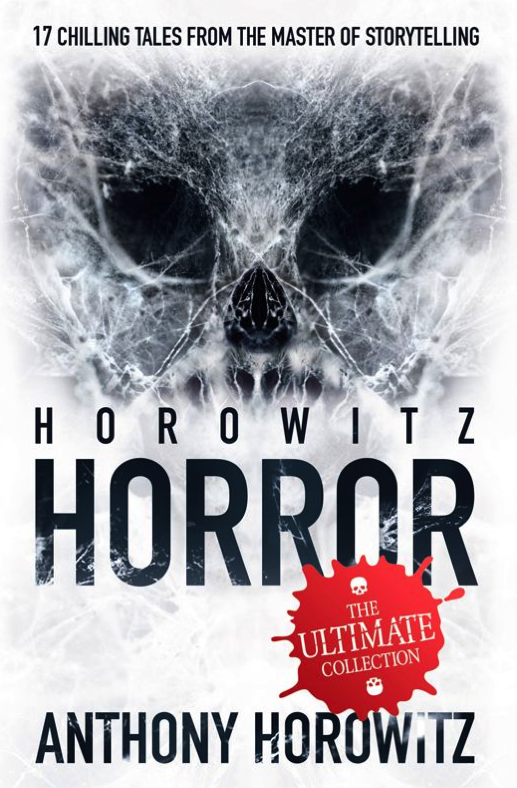 What’s it all about?
So Horowitz Horror is exactly what it says on the tin; a collection of horror stories for young adults by Anthony Horowitz, he of the Alex Rider books (amongst others).
Why did I want to read it?
I love a good horror story. As a teenager I religiously collected the Pan Book of Horror series (as edited by Herbert van Thal) with their gruesome stories and lurid pulpy covers (this one a particular joy). My parents were probably appalled but very much of the view that reading was reading was reading and let me get on with it as there was no evidence that I was turning into an axe-murderer. These stories are much less nasty, to be fair, but suitably creepy.
What did I think of it?
I’m not the target audience for this collection by a good 35 years but I enjoyed them all; particular favourites were The Hitchhiker and Bath Night. I liked the ordinariness of the situations the protagonists found themselves in, how unsettling everyday objects can become. Light touch in the story telling.
Conclusion
Really great fun.
This was a read for RIP VIII.
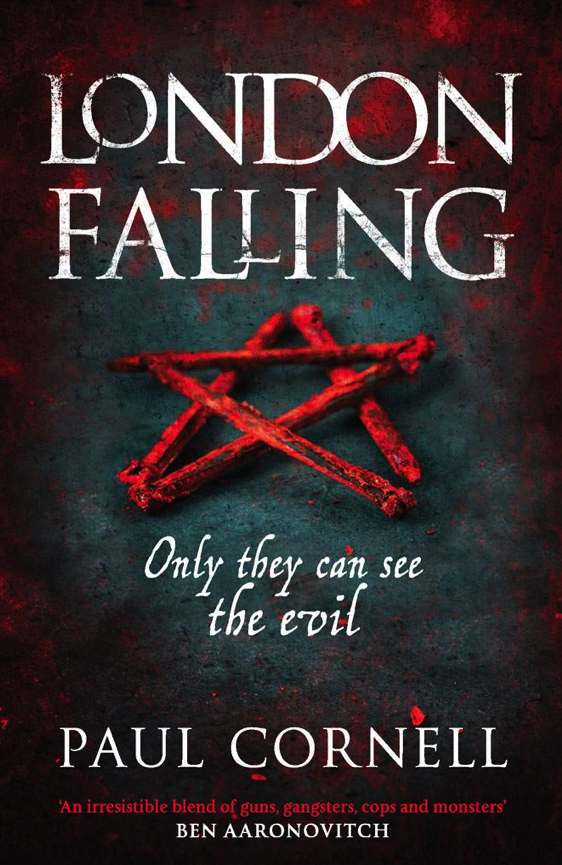 So, the first of a flurry of mini-reviews to clear my backlog and leave me with a relatively clean slate for 2014. Apologies in advance for swamping timelines and feeds and whatnot but it has to be done!
What’s it all about?
So London Falling is basically a police procedural which takes an unexpected turn. DI James Quill is managing an undercover op as part of an investigation into London’s organised crime when it all goes horribly wrong and his main target is killed in a gruesome and unusual manner, and it becomes clear that there is something evil lurking around London. Cue the creation of a team of misfits shunned by their colleagues and using unorthodox methods to get to the bottom of something very old. There’s a witch. There’s a talking cat. There’s a football connection. And there’s a lovely set up for what is clearly going to be a series.
Why did I want to read it?
I like Paul Cornell; I follow him on Twitter, I’ve got his Wolverine comics on my iPad and he’s written some cool stuff for Doctor Who. I liked the premise for the novel, especially as I’m a sucker for anything in which the history and mythology of London is as big a part of the story as the human characters.
What did I think of it?
Loved it. Read it over a couple of days, felt the story pulling me along, really wanted to know how it was all going to work out. It would be lazy to say that it’s similar to the Rivers of London series by Ben Aaronovitch and Christopher Fowler‘s Bryant & May books, both of which I love deeply. London Falling is grittier than the former and not quite as peculiar (peculiar is a positive word in this context) as the latter but they do all complement each other very nicely.
Conclusion
Enjoyed it a great deal and am looking forward to the next one (The Severed Streets, due out here in May)
This was a read for RIP VIII.


 Bride of the Book God