You are currently browsing the category archive for the ‘Reviews’ category.
 What’s it all about?
The event became known as The Pulse. The virus was carried by every cellular phone operating in the world. Within hours, those receiving calls would become insane – or die.
Indeed, that is the basic premise of Cell. But let’s not beat about the bush – this is basically a zombie novel 🙂
Why did I want to read it?
Well, have been taking part in the King’s March challenge and had done quite well (two short stories, one new novel and one re-read) and hadn’t really thought to pick up any others even though there was a chunk of the month still to go. But when looking for something else I came across this 2006 novel which I had completely forgotten about, and as I was looking for something light (if insane phone-call triggered zombies can be called light) to read, here we are.
What did I think of it?
While far from being his best novel I thought Cell was a cool idea that was pretty well executed. Like a lot of King’s novels it stands or falls on what you think of the main protagonist and Clay Riddell, the comic book artist whose world is turned upside down in seconds, is a likeable character driven to do some very brave things through a desire to get back to the family from whom he has been separated. So as well as being about zombies it is also a classic quest – Clay is joined by a small band of people with whom he has been thrown together by circumstances outside of his control and they head out of burning Boston so he can try to find his son.
The development of the zombies is very interesting and unusual (to me at least) and without giving anything away they become much more than the standard mindless brain-eating hordes that you might have expected. I like the fact that we never know what caused The Pulse, and I also like the way the novel ends. But it’s the characters that make this successful – human and flawed and trying their best in a terrible situation but not always getting it right.
I liked it.
 What’s it all about?
To quote the book jacket:
London 1905. The city is alight with change and the Stephen siblings are at the forefront. Vanessa, Virginia, Toby and Adrian are leaving behind their childhood home and taking a house in the leafy heart of avant-garde Bloomsbury.
So yes, as you might have guessed, Vanessa And Her Sister is all about the early years of what became the culturally influential Bloomsbury Group, with the focus very much on the two sisters. It covers the years from 1905 until 1912, and through Vanessa’s diaries charts the almost constantly changing relationships between this group of friends, ending shortly after Virginia’s marriage to Leonard Woolf.
Why did I want to read it?
I became a Bloomsbury obsessive in my early twenties having fallen in love with Virginia firstly through Mrs Dalloway which I studied when I took English Lit in my first year at University and then through her magnificent diaries which I have read at least twice. But in truth I find them all totally fascinating and although the heat of my interest may have died down now I still collect books about them, and this was a must read given the reviews.
What did I think of it?
I thought this was just wonderful. Vanessa is brought to life by Priya Parmar in an almost physical way through these fictionalised diaries (unlike her sister Vanessa never kept a diary (as far as we know) in real life); by that I mean that she is a tangible presence in the book, you feel that you are reading the genuine thoughts of a real person. And I really liked her.
One of the strengths of the novel is that it shows the emotional toll that the apparently consensual free and easy relationships had on individuals, the pain and the sorrow and the long-term damage. But the key relationship is between Vanessa and Virginia and we see the way that Vanessa’s marriage comes between them and how Virginia’s brilliance as a writer, which has not yet come to fruition, is underpinned by a brittle fragility and a desperation to be loved that drives her to do things that cause irreparable damage to the people she cares about. As the novel progresses this becomes more and more clear but we also see how Vanessa copes with it all and how she begins to achieve the happiness we know she finds in real life.
This feels like you are reading the diaries of the real Vanessa, and that is a huge achievement.
BTW I have said here before that I am a huge fan of the author’s note and there is a fascinating one at the end of this book which talks a little about how you write a novel about a group of people who are so well-known. And I am lucky enough to be attending a Bloomsbury Institute event with Priya Parmar later where I hope to hear much more about the writing of this superb book.
 About Carrie
Carrie White was no ordinary girl. Carrie White had a gift – the gift of telekinesis. And when, one horrifying and endless night, she exercised that terrible gift on the town that mocked and loathed her, the result was stunning and macabre.
When did I first read this? Late 1975, in one sitting; I remember it vividly 🙂
What age was I? An impressionable 13
How many times since then? Apparently this is only the third time that I have read Carrie, which seems astonishing to me as I feel I know the story so well, but there you go, stats don’t lie. Probably.
Thoughts about the book:
This was the first Stephen King book that I read and I was totally blown away by it in the way that is only possible when you are a young teenager. Unlike people coming to King for the first time today there was of course no back catalogue of work to dive into to feed the obsession, and although I read ‘Salem’s Lot later that year (and you can find out what I thought about re-reading that in this post) from then on it was all about having to wait for his new books to be published.
But why did Carrie resonate so much? It seems obvious to say that a teenage girl would find a lot to empathise with in the story of another teenage girl but I think that’s too easy; after all we had very little in common – Us vs UK, fundamentalist religion vs (relatively) free thinking, unpopular and downtrodden vs ordinary middle-of-the-roadness. And of course the small matter of my not having any telekinetic abilities whatsoever. Or at least none that have manifested themselves so far and at the age of 53 (and unless the menopause unleashes that sort of thing in the same way puberty does) it isn’t likely to happen now!
I think looking back it was the idea of raw power and what might be possible if you had an untapped ability and what could be done if you learned to control it. Of course the whole point of Carrie (and I don’t think I’m giving anything away here as it’s made pretty clear from the start of the book) is that although she learns to control it in part, the Unfortunate Incident at the Prom tips her over the edge and she lets it all out. Of course, there are Consequences of a devastating nature.
I also think this may very well have been the first novel I read that had this kind of structure, a mix of traditional third person story telling with newspaper reports and eye-witness testimony and book and letter extracts from after the fact. And I’m still a sucker for that sort of thing (I’m currently reading Vanessa and her Sister which is constructed from diary entries interspersed with letters and postcards and which I am thoroughly enjoying, although it is obviously a very different sort of thing).
It was an interesting experience reading Carrie again. For a start I had forgotten how short it is, less than 250 pages so really more like a novella. It’s much clearer to me now that the real villain is Billy, and that Chris may not have gone through with it in the end if he hadn’t forced her. And I feel sorry for Carrie herself but more so for Sue, who has to deal with surviving the whole thing.
So, although it’s clearly an early work and his later stuff became much more polished I still find this a very effective and affecting story and was pleased that it hadn’t lost its punch
Though really, what is it with King and the name Christine for baddies? First Chris Hargerson here, then the eponymous killer car, it’s just not right….
Additional thoughts about the film versions:
I also remember going to the cinema with my then boyfriend to see Brian de Palma’s version of Carrie, nice and bloody and with a couple of great performances from Sissy Spacek and Piper Laurie, and of course that unexpected ending which made me jump and scream out loud. I haven’t been able to bring myself to watch the recent re-make yet.
If you want to read more about the films then I really recommend Anne Billson’s thoughts on the matter on her blog, an excellent assessment I think.
I re-read Carrie because I’ve been looking for an excuse to do so and that came in the form of the King’s March challenge.
A couple of short stories by Stephen King read for the King’s March challenge
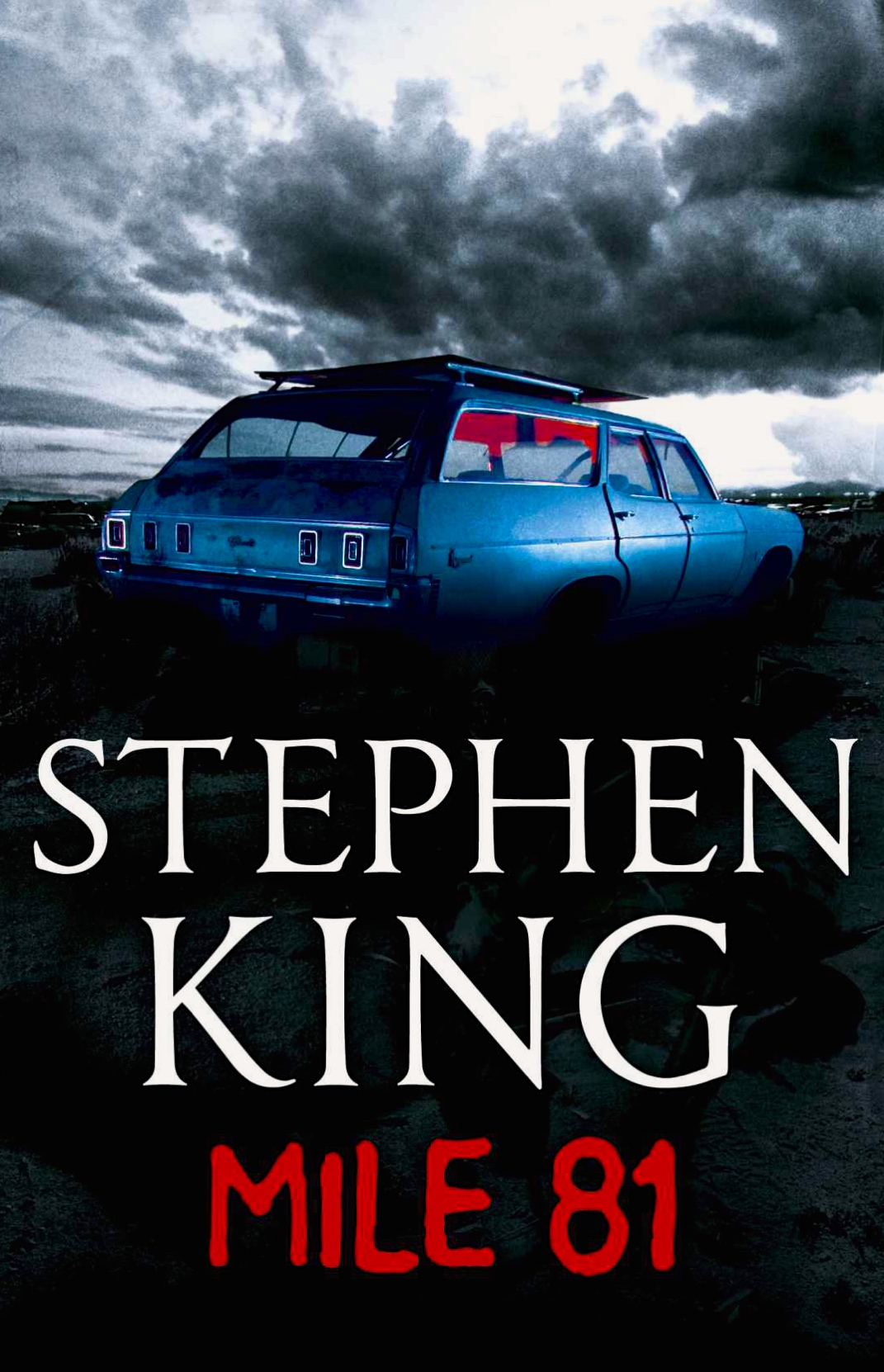 Abandoned service station on major stretch of highway (I have never entirely understood what a turnpike is so forgive me US friends if I’ve got that wrong), boarded up, magnet for youngsters up to no good. Small boy mildly misbehaving through boredom. Particularly suspicious looking abandoned car. Tiny (but smart) children in peril. Very clever use of magnifying glass. Moral of the story – don’t approach strange cars, keep on driving, it will only end in tears. One of King’s specialities is this type of story where extreme weirdness happens in a very ordinary setting with no rhyme or reason. Liked it.
In the Tall Grass (written with Joe Hill)
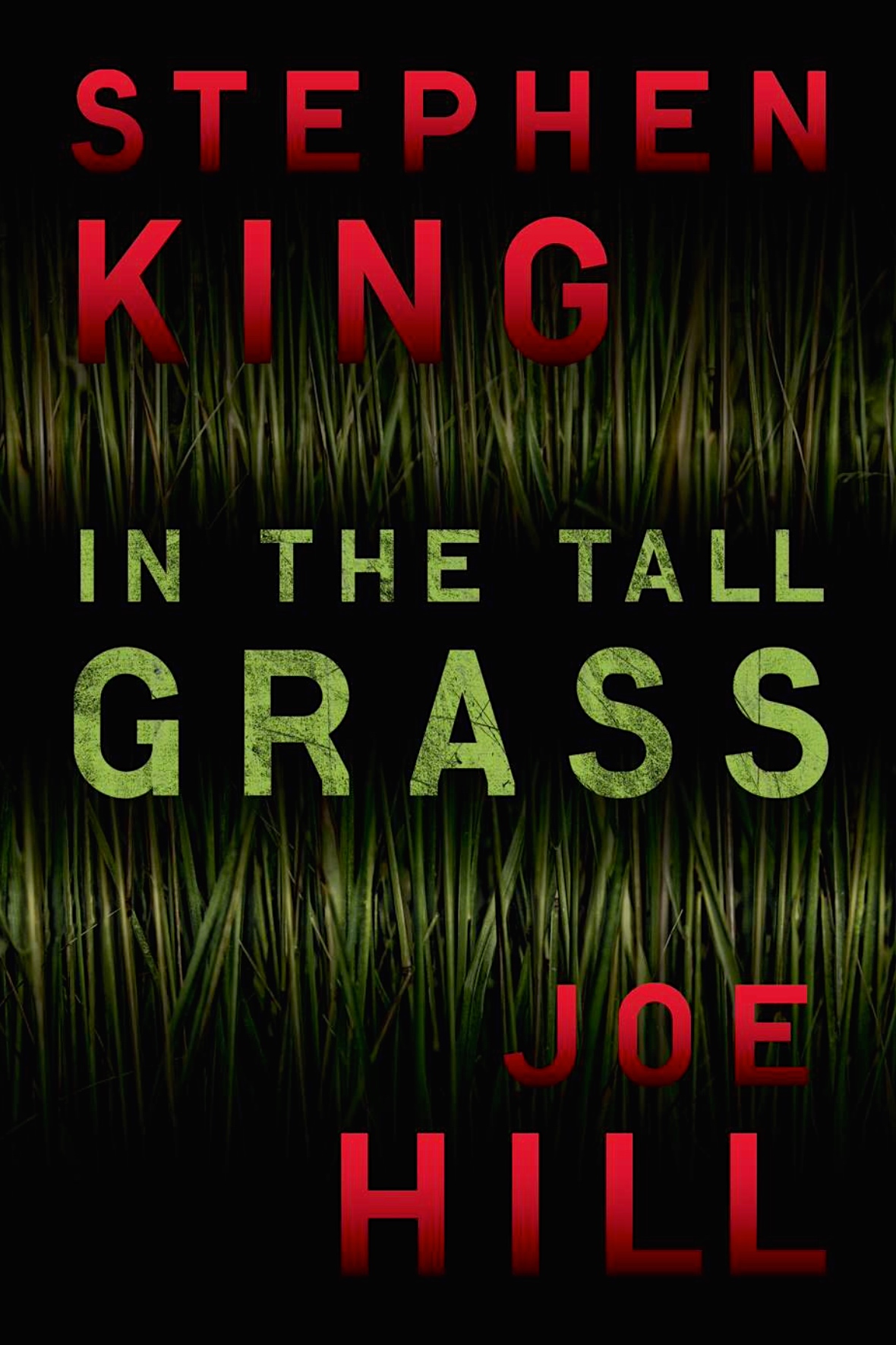
Abandoned (sort-of) church along a relatively lonely stretch of highway. Brother and (pregnant) sister on road trip before she has baby. Pull off the road after hearing cries from the tall grass that seems to stretch for miles. Small child in peril. Getting lost. Disorientation. Ancient evil (probably). Moral of the story – don’t stop for strange cries, keep on driving, it will only end in tears (sound familiar?). An accidental companion piece to Mile 81, totally unplanned in that I didn’t really investigate the plot of either story before I started to read them. Very very dark and ultimately depressing.
Interesting to compare standalone King to a story written in collaboration with his son, whose work I have also read but have found problematic in the past (see N0S4R2 for a start). King can be very nasty on occasion but I find him to have greater humanity in his stories than Hill. Without giving anything away, In the Tall Grass seems to offer no hope at all, whereas Mile 81 gives us the possibilities of human ingenuity in fighting off the bad stuff.
 What’s it all about?
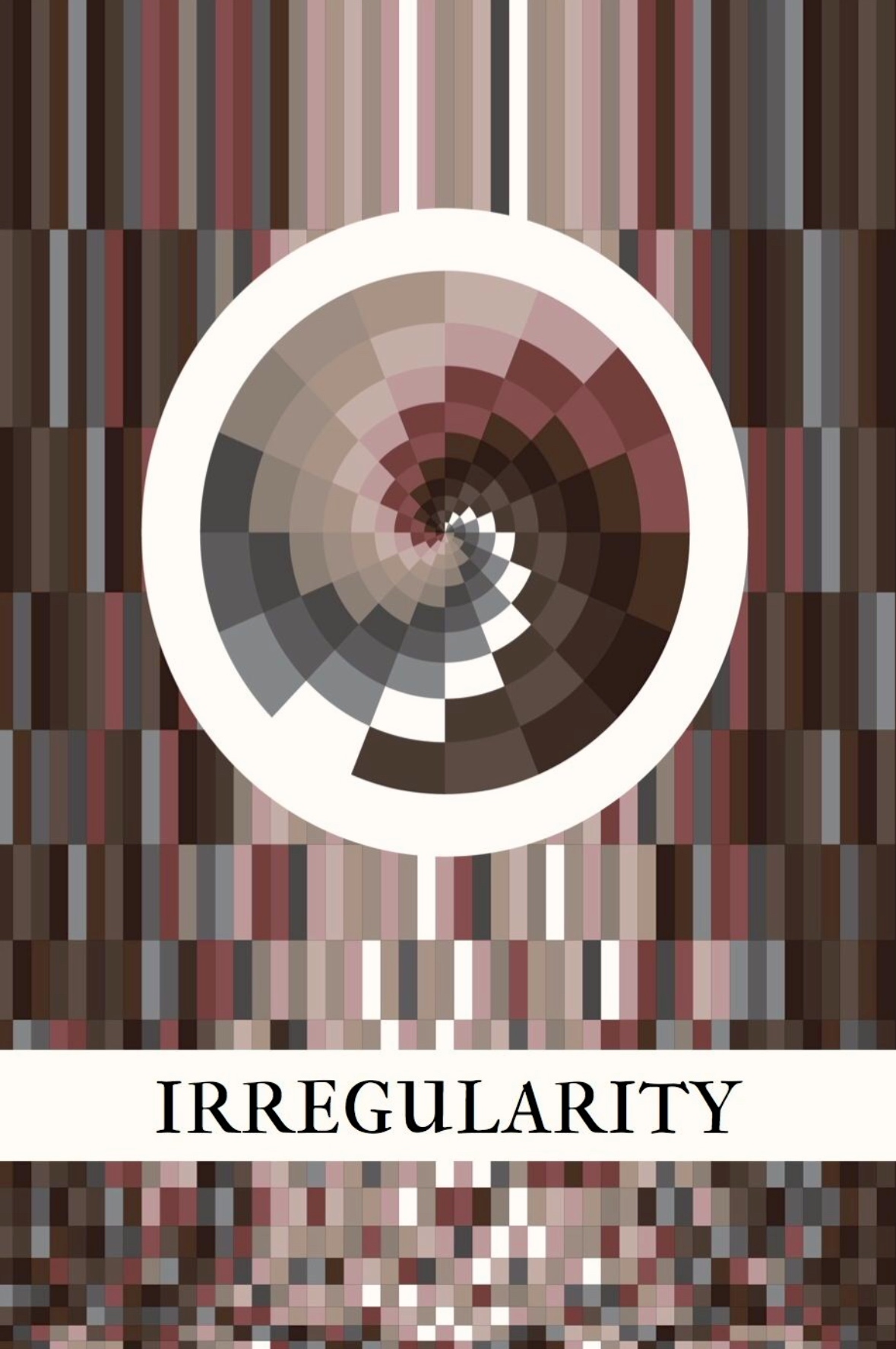
Irregularity is an anthology of short stories which, as the blurb says
is a collaboration between the National Maritime Museum and award-winning publisher Jurassic London: a collection of original stories inspired by the Age of Reason. Using the Longitude Act as the jumping off point, IRREGULARITY is inspired by the great thinkers of the Age of Reason – those courageous men and women who set out to map, chart, name and classify the world around them. The great minds who brought order and discipline to the universe. Except where they didn’t.
I couldn’t have put it better myself and as you can see I didn’t even consider trying 🙂
Why did I want to read it?
I think I first came across this because I follow one of the authors on Twitter (I actually follow a few of them now) and she (pretty sure it was @kimecurran) mentioned that she had a story included in this volume, and then I looked at the other authors listed many of whom already were or were on the way to becoming favourites, and so downloaded it was.
What did I think of it?
I’ve said this ad nauseam but I’m going to repeat it, just because – anthologies are tricky to review because there are very few collections in which every story hits the spot. And I have to say that at first – and I will admit that I may possibly *ahem* have forgotten what the theme of the collection was when I started reading it – I wasn’t entirely sure where this was all going, but I can safely say that only a couple of the stories didn’t do it for me, and that’s not a bad hit rate out of 14.
It’s worth mentioning the following, which stood out:
- The Spiders of Stockholm by EJ Swift – a writer new to me whom I was lucky enough to meet at a reading at the end of January, this is a story about spiders and dreams and categorisation and what happens when you put a name to something (and this story is up for the Sunday Times short story award)
- The Assassination of Isaac Newton by the Coward Robert Boyle by Adam Roberts – (1) extraordinarily cool title (2) draws attention to Newton’s resemblance to (yes, that) Brian May (3) totally bonkers
- The Voyage of the Basset by Claire North – Darwin + butterflies + coronation = wonderful story
- A Woman out of Time by Kim Curran – things must happen as intended, ut who makes sure that it does?
As well as these the collection covers mapping the winds, understanding clocks, the hunt for impossible animals, dissection & art, animated dinosaurs and whether science can quantify love. Amongst lots of other stuff. Recommended.
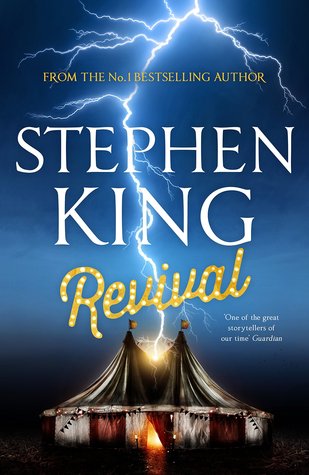 What’s it all about?
Well, according to King’s own official website, Revival is
a dark and electrifying novel about addiction, fanaticism and what might exist on the other side
Jamie Morton is a small boy in New England when he meets the Rev Charles Jacobs who, with his wife Patsy and little boy Morrie, becomes an influence for good in the town. Well, at least until the dreadful accident that robs him of his family and possibly his faith. After the day of the Terrible Sermon he is driven out of town and when he and Jamie meet again the former is using his deep interest on electricity to earn a living on the carny circuit and the latter is a musician and heroin addict. Jacobs uses his knowledge to cure Jamie and from that point on the two are intertwined, right to the very end when Jacobs’ obsession takes it’s final form.
Why did I want to read it?
I’ve been reading and enjoying King’s works for *gulp* nearly 40 years. I haven’t read everything he’s written (not yet at least) but I always look forward to anything he publishes and he has never really let me down (not even with The Tommyknockers or Dreamcatcher, both flawed but still interesting). And the hints before publication and in early reviews that there was a Lovecraftian element to this book was just an added bonus. Two of my earliest horror influences coming together sounded just the ticket.
What did I think of it?
This was exactly what I needed to read during a stressful week where I was working flat-out, running an almost constant headache and not sleeping terribly well. For a couple of days as soon as work was over I was able to lose myself in the life of Jamie Morton, a flawed but basically decent person who has gone through some tough times and his interest in the man whom he has admired since he was a small boy and who was instrumental in helping him both kick his addiction and find a career. But Jamie always knew things weren’t quite right (‘Something Happened’) and over time he realises that he will have to confront Jacobs. And of course that’s when the nature of the older man’s obsession becomes clear and things get very weird indeed.
I thought this was great. I really liked Jamie which is essential if you are going to enjoy this book as it is told entirely in the first person. And it really doesn’t read like a horror novel until the last section, though there is a growing sense of foreboding and not-rightness (which isn’t a word but the best way to describe it I think). The Lovecraftian elements are pretty subtle until the end, and of course there are Repercussions; one of the things I’ve always liked about King is that there are always consequences and sometimes (most times) the good guys don’t get away unscathed.
King himself mentions that The Great God Pan by Arthur Machen (which I haven’t read for years) was a major influence on Revival.
It’s not King’s scariest novel by any means but it’s a strong story with disturbing elements. I really liked it and definitely recommend it.
 What’s it all about?
Ada Goth has been invited to Brighton by one of her father’s friends to attend World Frock Day. She has twenty guineas to spend on a suitable dress. Will she go for a creation by Jean-Paul Goatee or Lady Vivienne Dashwood? But before she can decide, disaster strikes, her money is missing and she needs to think of something else….
Why did I want to read it?
It’s a special World Book day book. It’s written and illustrated by one of my favourites, Chris Riddell. I have a huge soft spot for Ada having read Ghost of Mouse and A Fete Worse than Death at the end of last year. They make me giggle with their silly jokes and puns.
What did I think of it?
My only complaint is that Goth Girl and the Pirate Queen is Far Too Short, but still lovely addition to the Goth canon. As well as poking lots of fun at fashion – not just the designers but the esteemed personage of Empress Anna Winter, editor of Brogue (the journal of sensible footwear) – it’s a sweet little story where everything comes right in the end, including the Pirate Queen herself (Tall Nell) having great success with her new piece of confectionery, Brighton Rock. It’s all just great fun and I look forward to the next volume (Goth Girl and the Wuthering Fright) with anticipation.
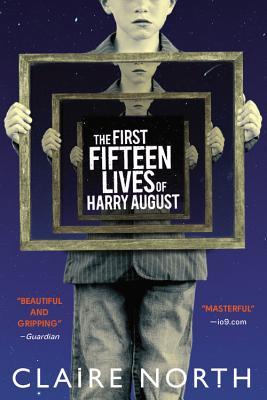 What’s it all about?
So Harry August is one of a relatively small group of people who live their lives, die, and are born again in exactly the same place and time, to live more or less the same life all over again. Unlike other forms of reincarnation individuals like Harry remember the details of all of their previous incarnations. While waiting to die at the end of his eleventh life he is visited by a young girl who tells him that the end of the world is coming, faster than expected, and that he is the only person who can do something about it. Cue lives twelve to fifteen.
Why did I want to read it?
I think I must have seen a review or two about The First Fifteen Lives of Harry August because I remember downloading it, but unfortunately can’t remember where I heard about it. I know it was a Richard and Judy book thingy choice but I’m pretty sure I found that out afterwards. I decided to read it now because I was due to attend a book event for the launch of Claire North’s new novel, Touch.
What did I think of it?
Quite simply I couldn’t put this down and have been recommending it all over the place since I finished it in the middle of the night last weekend. Harry is a complex character and not entirely likeable I think, though of course you become very attached to him as you live his various lives with him. Seeing how he makes use of his knowledge of the future (only partly to make money on which to live), how he connects with others like himself, the friendships he makes and how he deals with the problem with which he has been presented is just fascinating.
It’s beautifully written, more complex than the structure might suggest, and has a very satisfying conclusion. I don’t want to say too much more about the story than I already have because seeing how it all works out in his various lives is one of the great joys. I will say that to me it shares similar themes with Life After Life, All You Need is Kill and parts of The Bone Clocks, but only tangentially, and is very much it’s own book.
Claire North is really delightful in person, and I had the chance to ask her about the writing of the book and how she kept track of Harry’s lives and in particular what age he was at any particular time; I was thinking wall chart but delighted to find a spreadsheet was deployed. But all of that sits in the background and Harry’s journey is very immediate no matter which of his lives we happen to be visiting at any one time.
I loved this and would urge you to give it a try if you haven’t done so already.
 What’s it all about?
Toby is one of a group of young people who have been sent to The Death House because blood tests have identified them as being Defective. They are watched over by a team of nurses headed the disturbingly efficient Matron, looking for the signs of sickness that will lead to removal to the Sanitorium from where no-one ever returns. Toby is doing what he can to cope, mostly withdrawing from everyone else, but then some new youngsters arrive, and one in particular changes everything.
Why did I want to read it?
I really like Sarah Pinborough’s work and look out for anything new that she publishes. I have a little virtual stack of her eBooks (if such a thing can be said to exist) and really enjoyed her Jack the Ripper inspired (terrible shorthand but you know what I mean) novels Mayhem and Murder (reviewed here and here).
 Also (full disclosure) she personally handed me an uncorrected bound proof of the novel at a book event a few weeks ago in this lovely packaging, and now that I’ve read it I’m going to carefully wrap it up again as I have already pre-ordered for my Kindle app and will get it on publication day (26 February – go and buy it!)
But enough of that because I suspect you want an answer to this question:
What did I think of it?
I normally try not to write blog posts immediately after reading a book because I like to let things percolate and settle before I try to articulate what I thought, but I knew I was going to have to write about The Death House soon because it was just so extraordinary and had such an impact that I didn’t want to forget how it made me feel.
And boy were there feelings.
So. To me this is a book about love and life and grief and coping and doing the best you can under awful circumstances. It’s about having to grow up too quickly. It’s about fear and dread and getting through the day. And ultimately it’s about love and connections and friendship.
All of the youngsters are distinct individuals and totally believable but of course Toby and Clara in particular stand out, though I loved Louis and Will as well. The adults are not so well drawn but that’s deliberate and make sense as under the circumstances I would think they would be very wary of giving anything away to their charges (and when that does occasionally happen there are consequences) and so we see them as the children see them.
One of the strengths of the novel for me was that not everything was spelled out. We aren’t told what the condition the children have actually is, though we know it’s been around for a long time, only strikes the young and presents itself in different ways with each individual. We don’t know where the Death House actually is, except that it’s clearly isolated, and most importantly we don’t know what happens in the Sanitorium (except that no-one comes back). I thought this was all very effective because it’s the relationships that matter.
I had started to read the book soon after I was given it but realised that this was something that I wanted to take care with, so I stopped for a bit because life and work were clearly going to get in the way, and when I sat down to read it I finished it in a single sitting. It’s totally compelling and then it kicks you in the stomach with an event that is so sad that I couldn’t stop myself from crying (luckily I was at home and didn’t repeat the embarrassing experience of reading the end of The Time Traveller’s Wife on a bus and having to stop because I was making a fool of myself) and when I sort of recovered I went through it all over again with what I think was a perfect ending to the novel. It reminded me a little of Never Let Me Go (but only a little, it is very much its Own Thing).
I really do urge you to read this. It’s just wonderful. I will be reading it again soon, but envy anyone who is coming to it for the first time.
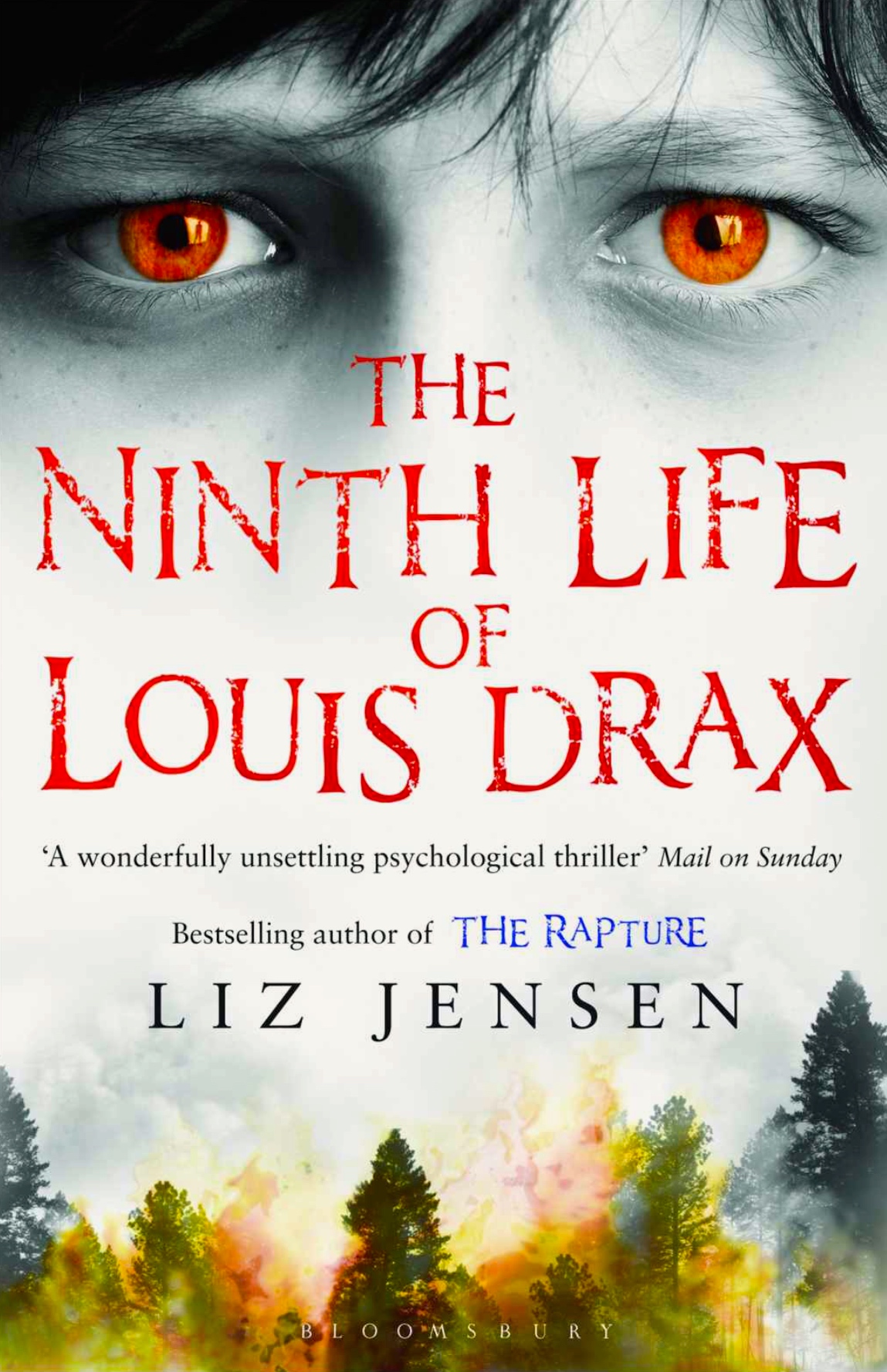 What’s it all about?
Louis Drax is nine years old and has been prone to accidents and illnesses throughout his short life. The latest incident (plunging over a cliff on a family picnic) has left him in a coma with a mystery needing to be solved – how did the accident happen? His father has disappeared, his mother is suffering from shock and isn’t really giving a coherent account of the events, and of course Louis himself can’t tell. Or can he?
Why did I want to read it?
I do like a really good psychological thriller, and I had read and enjoyed one of Liz Jensen’s other books, The Rapture, which I reviewed here. I spotted that it is being made into a film and that’s always a bit of a hook for me (if I already own the book that is).
What did I think of it?
I really enjoyed this. I liked the fact that we saw some of the story from the first person perspective of Louis himself, although it took a few pages to realise that he was already in his coma. I also liked the growing supernatural element, though I’m not sure if that’s the right word (I’ve seen references to sixth sense instead). I did like the other voice in the story, that of the doctor Pascal Dannachet who is treating Louis and gets sucked in to the mystery to his eminent detriment. I don’t want to give away too much of the plot as it’s nice to see it develop in front of you but I will say that I guessed a couple of the plot points (and I never liked his mother).
The Ninth Life of Louis Drax is pacily written and easy to read in the best way. I will be searching out more of her books.


 Bride of the Book God